
As clinics and hospitals streamline their operations, the demand for versatile support staff has surged, leading to increasing competition for entry-level healthcare roles. Standing out in a sea of applicants requires a strategic presentation of your practical value.
This shift reflects a broader hiring trend as employers now prioritize job-ready skills for a medical assistant resume over basic qualification. They want professionals who can confidently manage patient interactions, handle administrative responsibilities, and adapt quickly to clinical environments without extensive training. As a result, medical assistant resumes that clearly highlight relevant, applicable skills are far more likely to capture attention.
Having the right mix of clinical, communication, and organizational skills can also accelerate hiring decisions. When recruiters see evidence that a candidate can contribute from day one, it reduces uncertainty and speeds up the selection process.
This article reveals the skills for a medical assistant resume that employers actively look for and how healthcare professionals can present them effectively to improve their chances of getting hired.
Key Takeaways from Sohaara’s Article
- Employers look for medical assistants who can balance both clinical responsibilities and administrative tasks efficiently.
- Strong communication skills help medical assistants interact professionally with patients, physicians, and healthcare teams.
- Clinical skills such as vital signs monitoring, infection control, and patient preparation improve hiring potential significantly.
- Administrative capabilities like scheduling, medical documentation, and insurance coordination help candidates stand out in competitive healthcare environments.
- Familiarity with EHR systems, healthcare software, and basic technical tools is increasingly important in modern medical settings.
- Soft skills such as time management, emotional intelligence, adaptability, and reliability directly influence workplace performance and patient experience.
- Employers value candidates who can stay organized, handle pressure, and maintain professionalism in fast-paced healthcare environments.
- A well-structured medical assistant resume should highlight practical skills, real-world readiness, and the ability to support both patients and healthcare operations effectively.
Job-Ready Skills for Medical Assistant Resume That Make a Difference
The most impactful applications clearly demonstrate how candidates can contribute from day one, with a well-rounded mix of practical abilities. The following section highlights job-ready capabilities that turn a standard profile into a strong hiring contender.
Balance of Clinical and Administrative Capabilities
Success in this role depends on a mastery of specific technical tools and medical protocols. Professionals who showcase proficiency in Electronic Health Records (EHR), phlebotomy, and EKG administration present themselves as immediate assets.
Highlighting these skills for a medical assistant resume indicates a readiness to contribute to patient care without requiring extensive remedial training. Mastery of medical terminology, prescription abbrevations and accurate charting further reinforces a reputation for precision and reliability.
Readiness to Handle Real-World Patient Scenarios
Beyond technical knowledge, employers prioritize candidates who can confidently handle real patient interactions. This includes communicating with patients in Medical English, understanding their concerns, and responding with professionalism and empathy.
Being prepared for real-world scenarios, such as managing anxious patients or handling unexpected situations demonstrates that a candidate is ready to work in a live clinical environment without constant supervision.
Ability to Adapt in Fast-Paced Healthcare Environments
Clinics are dynamic environments where priorities shift by the minute. Success requires the mental agility to manage a high volume of patients while maintaining strict adherence to safety protocols.
Emphasizing a track record of accuracy under pressure and the ability to multitask during peak hours proves that a candidate has the stamina to sustain a productive workflow. The ability to quickly adapt to changing situations, whether it’s a sudden influx of patients or shifting priorities, is a key factor that sets job-ready candidates apart.
Essential Clinical Skills for a Medical Assistant That Improve Hiring Chances
While academic credentials establish a baseline, clinical proficiency often dictates the speed of the hiring process. Hiring managers look for evidence of technical precision and a strict adherence to medical standards to ensure patient safety and office efficiency.
Accurate Vital Signs Monitoring and Patient Preparation
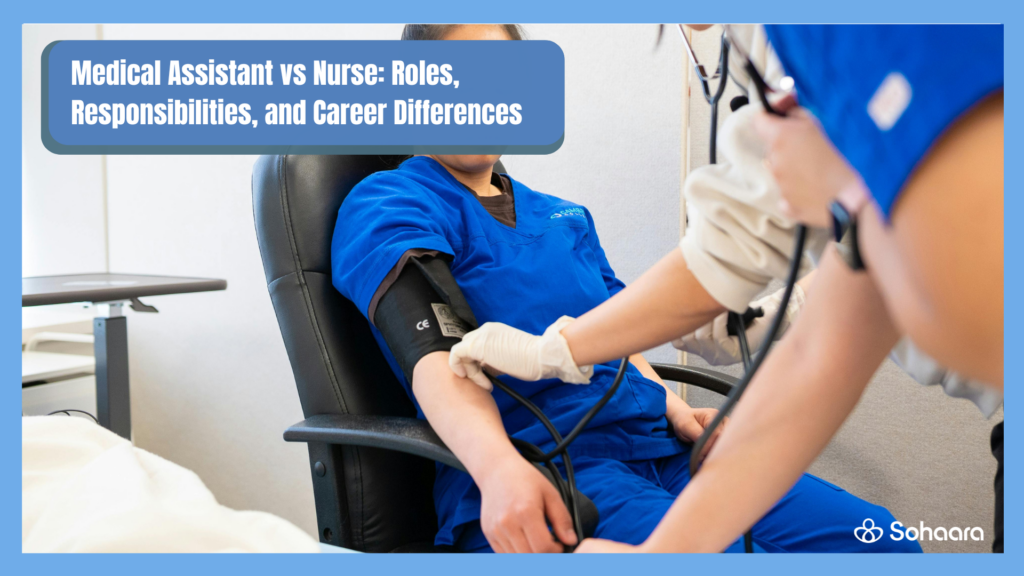
The foundation of a successful patient encounter lies in the accuracy of the initial intake. Professionals must demonstrate an ability to precisely record blood pressure, pulse, respiration, and temperature while simultaneously gathering a concise medical history.
Proficiency in this area ensures that the physician receives reliable data for diagnosis. Beyond the numbers, effective patient preparation involves positioning and draping patients correctly for specific exams, ensuring both comfort and clinical accessibility.
Knowledge of Basic Clinical Procedures
Efficiency in a clinic is bolstered by staff who can perform routine procedures with minimal supervision. This includes tasks such as suture removal, ear irrigations, and administering injections or immunizations.
Highlighting a firm grasp of these procedures indicates that a professional can alleviate the physician’s workload and keep the daily schedule moving smoothly. Accuracy in these tasks is paramount, as it directly impacts the patient’s recovery and overall experience.
Infection Control and Safety Protocols
Safety is the non-negotiable cornerstone of any healthcare environment. Mastery of aseptic techniques, proper sterilization of instruments, and the correct disposal of biohazardous materials is essential. Professionals must be well-versed in OSHA guidelines and standard precautions to prevent the spread of healthcare-associated infections. Including these details on a resume signals a commitment to maintaining a sterile, compliant, and safe environment for both staff and patients.
Assisting Physicians During Examinations
A skilled medical assistant acts as an extra set of hands during complex examinations and minor office surgeries. This requires anticipating the physician’s needs, handing over instruments, and providing wound care or dressing applications as directed. The ability to remain focused and supportive during these procedures, while also monitoring the patient’s status demonstrates a high level of professional maturity and teamwork.

Administrative Skills in a Medical Assistant Resume That Makes a Candidate Stand Out
While clinical abilities are essential, administrative efficiency is what keeps a healthcare facility running smoothly. Employers value medical assistants who can manage operational tasks with accuracy and professionalism, ensuring a seamless experience for both patients and providers. Demonstrating strong administrative skills on a medical assistant resume shows that the candidate can contribute to overall workflow, not just patient care.
Medical Record Management and Documentation
Precision in documentation is a legal and clinical necessity. Professionals must be adept at using Electronic Health Records (EHR) systems to maintain accurate, up-to-date patient histories.
This involves meticulous data entry, ensuring that every consultation, medication change, and test result is logged correctly. A strong grasp of HIPAA regulations is mandatory to ensure that all sensitive information remains confidential and that the practice stays compliant with federal laws.
Appointment Scheduling and Coordination
Managing a provider’s calendar requires a strategic approach to time management. Effective scheduling involves more than just picking a time slot; it requires triaging the urgency of patient needs and balancing them against the available resources of the clinic.
Professionals who can coordinate complex follow-ups, specialist referrals, and diagnostic imaging appointments ensure seamless care for the patient and a steady, manageable flow for the staff.
Insurance Verification and Billing Basics
Navigating the complexities of healthcare reimbursement is a highly valued skill. Candidates should demonstrate competence in verifying insurance coverage, obtaining prior authorizations, and explaining co-pays or deductibles to patients.
A basic understanding of ICD-10 and CPT coding helps bridge the gap between clinical services and billing departments, reducing the likelihood of claim denials and ensuring the practice receives timely payment for services rendered.
Handling Front Desk Responsibilities Efficiently
The front desk is often the first point of contact for patients, making professionalism and communication skills essential. From greeting patients and managing inquiries to handling calls and coordinating check-ins, medical assistants must ensure a positive and organized experience. The ability to multitask while maintaining a calm and approachable demeanor sets strong candidates apart.
Communication Skills in a Medical Assistant Resume That Influence Hiring Decisions
Beyond just talking, effective communication involves the strategic exchange of information that ensures safety, builds trust, and streamlines the diagnostic process. Highlighting these communication skills for medical assistant resumes shows that the candidate can contribute to a positive and efficient care environment.
Clear Patient Interaction and Instructions
A medical assistant often serves as the primary translator for a patient’s care plan. Professionals must be able to deliver pre-operative instructions or post-visit care plans in a way that is easily understood, regardless of the patient’s medical literacy.
Clarity in these interactions reduces the risk of non-compliance and readmission. This skill involves verifying that the patient understands their medication dosages, follow-up dates, and red-flag symptoms to watch for after leaving the clinic.
Professional Communication with Healthcare Teams
Success in a clinical setting requires seamless coordination with physicians, nurses, and laboratory staff. This involves using standardized medical terminology and concise reporting methods, such as SBAR (Situation, Background, Assessment, Recommendation), to relay critical patient updates.
A professional who can provide a warm handoff to a doctor, summarizing a patient’s chief complaint and vitals efficiently saves time and ensures the provider enters the exam room fully informed.
Managing Sensitive Conversations with Empathy
Medical environments frequently involve high-stress situations, distressing diagnoses, or financial concerns. Professionals must demonstrate the emotional intelligence to navigate these moments with composure and genuine care.
This means maintaining a calm demeanor when a patient is frustrated or providing a supportive presence during a difficult procedure. Demonstrating empathy in these scenarios preserves the patient’s dignity and strengthens the reputation of the healthcare facility.
Active Listening in Patient Care
Active listening is a critical diagnostic tool. It involves giving a patient undivided attention, noting non-verbal cues, and asking clarifying questions to uncover the full scope of their concerns. By practicing active listening, a medical assistant can catch subtle details that the patient might have omitted, such as a minor side effect or a lifestyle factor affecting their health.
This thoroughness ensures that the medical record is comprehensive and that the physician has the most accurate picture possible before beginning an exam.
Technical Skills Required to Work as a Medical Assistant in Modern Healthcare
The integration of technology into every aspect of the clinical workflow means that technical aptitude is a core component of professional competency. These skills indicate that a candidate can navigate the digital tools necessary for modern medicine. Highlighting specific software experience and technical adaptability proves that a professional can manage the data-driven demands of a contemporary medical facility.
Familiarity with Electronic Health Records (EHR) Systems
Proficiency in EHR platforms such as Epic, Cerner, or Athenahealth is one of the most sought-after technical traits. Professionals must be able to navigate these complex databases to retrieve patient histories, input real-time clinical data, and manage digital orders. Accuracy in EHR management ensures that the entire care team has access to synchronized information, reducing the risk of duplicate testing or medication errors.
Basic Computer and Data Entry Proficiency
Beyond specialized medical software, a fundamental command of general computing is essential. This includes high-speed data entry, proficiency in the Microsoft Office Suite, and the ability to troubleshoot basic hardware issues like scanners or label printers. Speed and accuracy in data entry are critical during peak clinic hours to ensure that patient throughput remains steady and that administrative records are updated without delay.
Understanding of Healthcare Software Tools
Modern clinics utilize a variety of specialized tools for tasks such as inventory management, prescription routing, and patient portal communication. Professionals should be comfortable using e-prescribing software to send medications to pharmacies and managing digital imaging interfaces to track X-ray or MRI results. Familiarity with these secondary tools demonstrates a comprehensive understanding of the digital ecosystem that supports patient care.
Telehealth Coordination Skills
The rise of virtual care has introduced a new set of technical requirements. Success in this area involves setting up virtual exam rooms, troubleshooting connection issues for patients, and ensuring that all remote consultations are documented with the same rigor as in-person visits. Being able to facilitate a seamless telehealth experience shows that a professional is prepared for the future of healthcare delivery and can assist patients in navigating digital health platforms.

Soft Skills in a Medical Assistant Resume That Employers Prioritize
The most effective professionals possess a blend of temperament and discipline that allows them to thrive under pressure. Including these soft skills in a medical assistant resume demonstrates an understanding that the role is as much about human management as it is about medical tasks. Employers look for soft skills to ensure the candidate will integrate well into the existing team culture and provide high-quality patient service.
Attention to Detail in Clinical and Administrative Tasks
In healthcare, there is no such thing as a small mistake. Whether it is verifying a patient’s identity before an injection or ensuring a middle initial is correct on an insurance claim, precision is mandatory. A medical assistant must demonstrate a meticulous approach to every task, from labeling lab specimens to documenting medication allergies. This unwavering focus on accuracy protects patient safety and prevents the administrative errors that lead to denied claims or legal liabilities.
Time Management and Multitasking Ability
A typical shift involves a constant stream of competing priorities. Success requires the ability to switch gears instantly, moving from rooming a patient to answering an urgent phone call or processing a STAT lab request. Effective time management in this context means knowing how to prioritize the most critical needs without letting routine tasks fall behind. Professionals who can manage a heavy workload while maintaining a calm, organized demeanor are invaluable in preventing clinic bottlenecks.
Emotional Intelligence and Patient Handling
Patients often arrive at a clinic feeling vulnerable, anxious, or in pain. High emotional intelligence allows a medical assistant to read non-verbal cues and adjust their approach accordingly.
This skill involves the professional capacity to remain objective yet empathetic, de-escalating a frustrated patient or providing reassurance during a frightening procedure. This ability to manage the human element of healthcare directly impacts patient satisfaction scores and the overall atmosphere of the office.
Reliability and Professional Work Ethic
A medical practice functions like a well-oiled machine, and one missing cog can disrupt the entire day’s schedule. Employers prioritize reliability as a strong professional work ethic is shown through a willingness to assist colleagues during downtime and a commitment to following all facility policies and ethical guidelines.
Demonstrating that a professional is dependable and self-motivated provides hiring managers with the confidence that the clinic operations will remain stable.
Conclusion
Many medical assistant resumes lose impact because they focus only on qualifications instead of proving workplace value. Employers already expect candidates to understand basic clinical and administrative responsibilities as they pay closer attention to how effectively those responsibilities will be handled in fast-moving healthcare environments.
The ability to communicate clearly, stay organized under pressure, manage patient interactions professionally, and support daily operations efficiently often separates shortlisted candidates from overlooked ones. A resume that reflects reliability, adaptability, and strong workplace judgment gives employers more confidence than one filled only with certifications and task lists.
Want to Work as a Medical Assistant? Get Upskilled and Explore Opportunities with Sohaara
Sohaara is an upskilling, tooling, and networking platform focused on helping learners and professionals become more employable in today’s evolving job market. We combine skill development with practical industry exposure, giving individuals access to the resources, guidance, and professional connections needed to grow in their careers. Our approach is centered on bridging the gap between learning and real workplace expectations, especially in fields where communication, adaptability, and professional readiness matter as much as technical knowledge.
Through our growing professional network, we help healthcare professionals connect with recruiters, industry experts, and career opportunities that support long-term growth. Learners gain access to medical English learning programs, soft skills training programs and other courses that are essential in healthcare environments. Alongside technical preparation, we focus on helping professionals communicate clearly with patients, collaborate effectively with healthcare teams, and handle workplace responsibilities with confidence and professionalism.
Aspiring medical assistants can explore relevant career opportunities while building the practical skills employers actively look for. From improving patient interaction and workplace communication to understanding professional expectations in healthcare settings, we help individuals prepare for real roles. The result is a stronger foundation for entering the healthcare industry with greater confidence, readiness, and long-term career potential.

FAQs for Skills on a Medical Assistant Resume
How should a medical assistant document “Scope of Practice” knowledge on a resume?
Explicitly mentioning a firm understanding of state-specific Scope of Practice regulations demonstrates professional maturity and legal awareness. This shows hiring managers that the professional understands the boundaries of their role, knowing exactly which tasks require direct physician supervision and which can be performed autonomously. This knowledge is crucial for risk management and protecting the medical license of the supervising provider.
Does experience with “Point-of-Care Testing” (POCT) add value to a resume?
Yes, highlighting experience with POCT devices for rapid tests like Strep A, Glucose monitoring, or Flu A/B is highly attractive to urgent care and primary care employers. These skills indicate that a professional can deliver immediate results to a physician, significantly speeding up the diagnostic process. Mentioning the ability to calibrate and maintain these devices further proves a commitment to quality control and laboratory standards.
Should a medical assistant include knowledge of “Medical Necessity” on their resume?
Including an understanding of Medical Necessity shows that a candidate can assist with the documentation required to justify specific tests or treatments to insurance companies. This administrative skill is vital for ensuring that procedures are covered and that patients aren’t hit with unexpected bills. It demonstrates a high-level view of the intersection between clinical care and healthcare finance.
How important is experience with “In-Office Minor Surgery” setup?
Experience in Surgical Assisting and sterile field setup is a premium skill, especially in specialties like dermatology or orthopedics. Listing specific tasks, such as prepping a tray for a biopsy or performing post-procedure wound dressing, signals that a professional is comfortable with invasive procedures. This expertise reduces the physician’s prep time and increases the overall efficiency of the surgical suite.
How should a medical assistant handle gaps in employment when listing skills?
When gaps exist, the resume should focus on a functional or hybrid layout that prioritizes core competencies over a strict chronological timeline. Professionals can bridge gaps by listing any continuing education units (CEUs), volunteer medical work, or temporary healthcare assignments completed during that time. This approach shifts the focus back to the current job-ready status rather than the period of inactivity.
Is it necessary to include BLS or CPR certification if it was part of the degree program?
Yes, these should always be listed explicitly in a dedicated certifications section with their expiration dates. Basic Life Support (BLS) for Healthcare Providers is often a mandatory legal requirement for employment in clinical settings, and listing it clearly saves the recruiter from having to hunt through your education history to find it. Keeping these certifications current shows a professional commitment to patient safety and emergency preparedness.
Should a medical assistant list experience with specific insurance providers?
While listing every provider isn’t necessary, mentioning experience with Medicare, Medicaid, and major private insurers shows a high level of administrative maturity. Understanding the specific nuances of prior authorizations or “CMS-1500” forms proves that a candidate understands the revenue cycle of a medical practice. This detail suggests that the professional can help reduce claim denials, which is a major pain point for clinic managers.
Should “Customer Service” experience from non-medical jobs be included?
While clinical skills are the priority, framing past retail or hospitality experience as “Patient-Centric Service” can be very effective for entry-level candidates. Professionals should highlight transferable skills like conflict resolution, high-volume transaction handling, and professional phone etiquette. This proves that the candidate already possesses the soft skills necessary to provide a high-quality patient experience.